
Let's wait for the monetary policy on February 8 -- to see how it complements the fiscal commitments, points out Tamal Bandyopadhyay.
Economic Affairs Secretary Subhash Garg is the finance ministry's primary liaison with the RBI.

Foreign portfolio investors were net buyers in equities to the tune of Rs 119 crore, as per provisional stock exchange data.

Stick to export-focussed plays, large-caps, say analysts

The FPI holding in India's top 100 companies, which are part of the Nifty 100 index, declined to 24.23 per cent on average at the end of March this year, from a high of 27.5 per cent at the end of March 2021. This is the lowest FPI holdings in India's top listed companies in at least three years. A general sell-off by FPIs has weighed on stock prices and the benchmark S&P BSE Sensex is down 8.5 per cent, from its 52-week high made in October 2021. Most analysts expect FPI flows to remain weak in FY23 as well, given rising bond yields in the US and an expected earnings slowdown in India due to high inflation and commodity prices.

Saurabh Mukherjea, CEO, Ambit Capital, says he is advising clients to either take a genuinely long-term view on stocks or diversify the portfolio with stocks, bonds and gold for those with a short-term view.

After a sharp sell-off in the past two months, overseas investors were once again seen turning bullish on Indian equities. FIIs bought shares worth Rs 63.5 billion in the past five sessions, their highest weekly investment tally in many months.

The country last raised the amount of government debt that foreign investors can buy by $5 billion in June last year.
'The biggest risk to the Indian markets from a 12-18-month view is that the current government does not get re-elected, or loses in a way that is not represented at all in the next central government.'

'Companies with a strong business case and healthy balance-sheet should sail through and emerge more robust in the future.'

The Sensex and the Nifty witnessed biggest one day loss in percentage terms since June 24

Rupee is seen to remain in the range of 67.50-68.80 in the short-term

Investors are anxious over the US-China trade tension, a sharp devaluation in yuan and uncertainty over Kashmir issue.

Ongoing trade-war rhetoric between the US and China added some nervousness on the trading front coupled with extremely bullish dollar sentiment overseas.
NTPC, Sun Pharma Coal India and Asian Paints were among top losers on BSE Sensex

With enough liquidity in the system, lending and deposit rates are likely to fall further

Chinese stock markets have slumped 30 per cent since mid-June.

The minutes of the December MPC meet reveal members felt the current spike in the headline inflation rate was due to a temporary supply shock on the food front, expected to moderate by the second quarter of 2020-21.

Global equity and bond markets, especially in Japan, were spooked on Thursday post the US Federal Reserve's comments on the third round of bond buying programme, commonly known as quantitative easing (QE3).
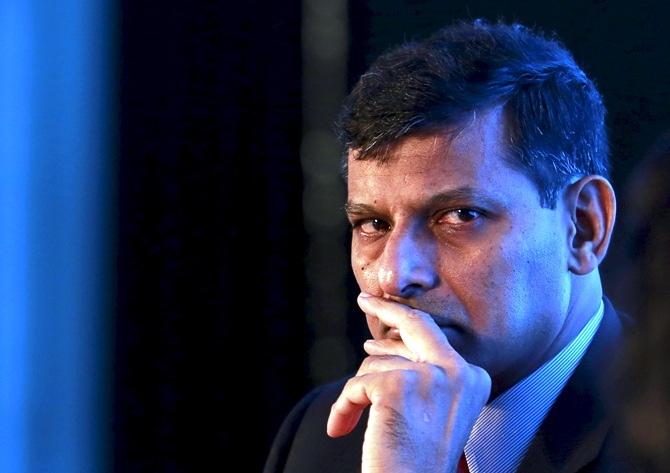
A Reuters poll showed only one out of 51 economists had expected a 50 basis points rate cut.

Singapore Airlines' deal with Tata Sons (Tata) will inject a further SGD 360 million ($267 million) into Air India. It will give SIA a 25.1 per cent stake in the enlarged Air India group following its takeover by Tata and merger with Vistara Airlines. The November 2022 deal between Singapore Airlines and Tata Sons to further inject $267 million into Air India is one of the key strategic initiatives for future growth mentioned in the quarterly financial report. This agreement is still subject to regulatory approval. SIA in the statement said, "The merged entity will be four to five times larger in scale compared to Vistara, with a strong presence in all key airline segments in India.

Bullish dollar sentiment overseas alongside sluggish domestic equity market predominantly impacted the domestic currency
Still, it is not expected to gain much strength and will likely trade around Rs 63.00 to the US dollar by the end of April.

The BSE Midcap and the BSE Smallcap indices pared all intraday gains to end 0.3% and 0.5% lower

With the frontline Indian benchmark indices trading near all-time highs ahead of the general elections that begin later this week, Marc Faber, Editor and Publisher of "The Gloom, Boom & Doom Report" tells Puneet Wadhwa that the Indian stock market is relatively expensive, especially the index (large-cap) stocks.

Given the 18-day government shutdown in the US and the likelihood for continued wrangling between the Democrats and the Republicans, it now looks like tapering may be off the table till the first quarter of 2014.

However, despite Covid, Indian markets registered their best financial year performance in a decade, with the Sensex and Nifty50 rallying 68 per cent and 71 per cent, respectively, in FY21.

If a 5% to 10% fall in the equity market gives you sleepless nights, you are not cut out for a 75% to 80% allocation to equities and must reduce it.

The Sensex has now lost 878.32 points in six sessions -- its longest string of losses in six months.

'Macro headwinds are rising for Indian equities in the form of rising commodity prices, especially oil, depreciating rupee, fiscal challenges, election-related uncertainty and upside risks to inflation'

Rise in crude oil price and rally in global equities aided the sentiment

Technically speaking, US equities have seen net losses since January. India is strongly influenced by US trends.

Persistent capital inflows by domestic institutional investors and retail investors kept the markets in fine nick

Market breadth turned negative with 1,779 declines over 884 advances on the BSE

'In the real economy, the scars of the pandemic will continue to define 2021.' 'It is still hard to tell the effect on unemployment, migrant workers, poverty, and the informal sector of the lockdown and of the pandemic,' observes Mihir S Sharma.
Growth acceleration will be gradual and it is still early days for a sharp recovery, says Gautam Chhaochharia, executive director and head of India research, UBS.

Experts caution against tough times in Indian equity markets in 2015.

'Increased allocations for MNREGA could have provided the much needed push to rural demand and consumption at a time when recovery continues to remain uneven.'

It is advisable to avoid a fund until it develops a track record.

Given the macro setting, the outlook remains positive for each of the four key parameters - inflation, current account deficit, fiscal deficit and currency stability, says Rahul Bhushkute.
